Postpartum Anxiety and the Nervous System: A Functional Health & OT Perspective for St. Louis Moms
Postpartum anxiety is incredibly common — yet many moms in St. Louis County and Jefferson County are told their symptoms are “just hormones,” “normal new-mom stress,” or something they simply will get used to.
From both a functional health and occupational therapy (OT) perspective, postpartum anxiety is often a sign that the nervous system is under-resourced and overwhelmed, not broken.
If you feel anxious, wired, exhausted, or unlike yourself after having a baby, your body may be asking for deeper support.
Postpartum Anxiety Is a Nervous System Issue
After pregnancy, birth, and early motherhood, the nervous system is asked to do a lot:
Regulate emotions
Recover physically
Support sleep deprivation
Manage feeding and caregiving demands
Respond to constant sensory input
When the nervous system doesn’t have the nutrients, rest, or regulation it needs, anxiety can show up as:
Racing thoughts
Feeling “on edge”
Panic or overwhelm
Poor sleep even when baby sleeps
Irritability or emotional reactivity
This is not your fault—it’s biology and physiology.
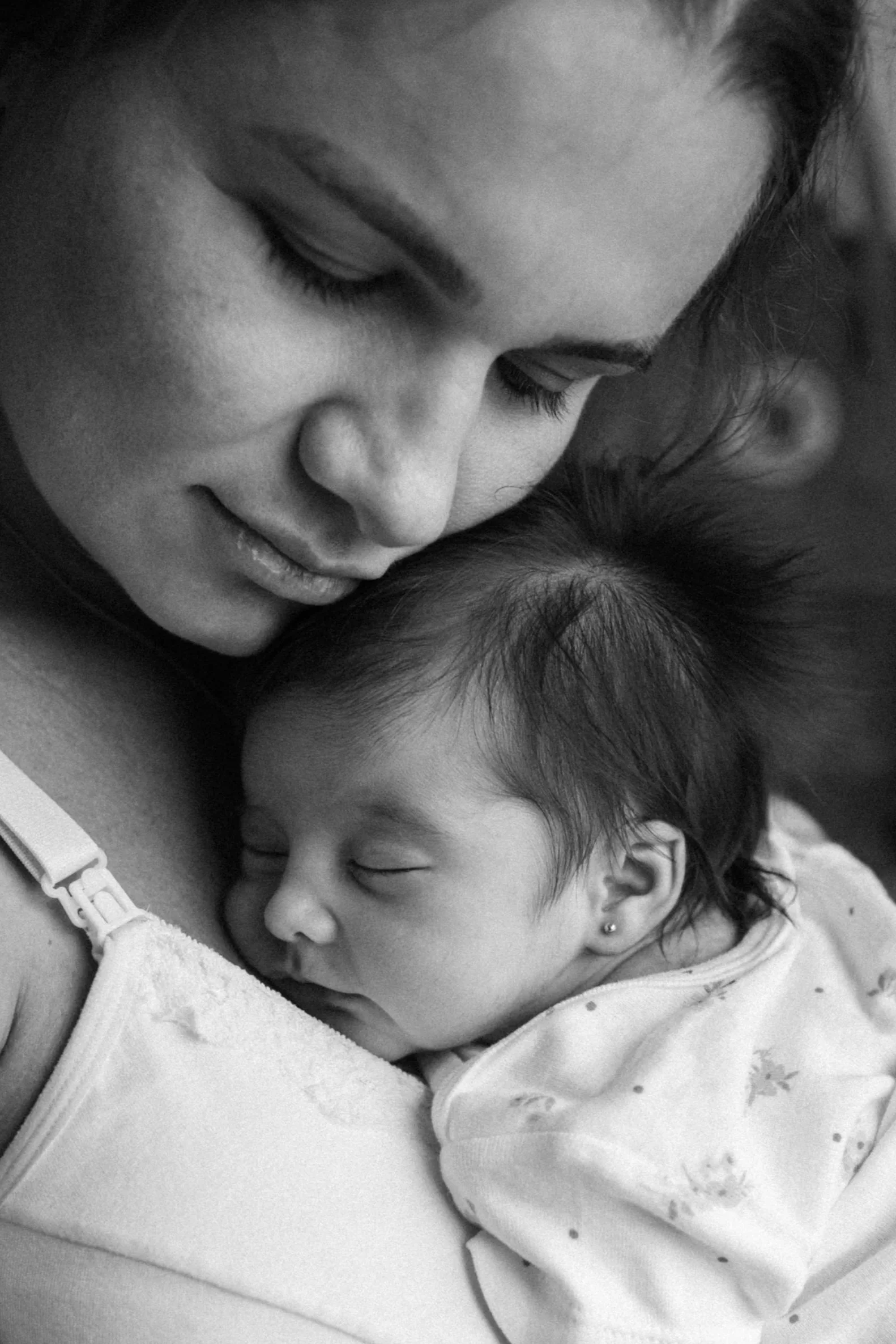
“Pregnancy and breastfeeding significantly deplete key minerals and nutrients that support nervous system function…”
Why Postpartum Depletion Matters More Than You Think
Pregnancy and breastfeeding significantly deplete key minerals and nutrients that support nervous system function, including:
Magnesium
Zinc
Sodium & potassium
Iron
B vitamins
When these minerals are out of balance, the body struggles to regulate stress, mood, energy, and resilience. Many postpartum moms are told their labs are “normal,” yet still feel profoundly unwell.
This is where functional testing, such as Hair Tissue Mineral Analysis (HTMA), becomes incredibly valuable.
How HTMA Testing Supports Postpartum Recovery

HTMA testing looks a mineral patterns over time (2-3 months)
Not just what’s present in the blood in that moment in time like standard blood work.
For postpartum moms, HTMA can reveal:
Mineral deficiencies from pregnancy and breastfeeding
Stress patterns and adrenal load
Imbalances that affect mood and anxiety
Nervous system burnout
Poor stress tolerance and energy regulation
Instead of guessing, HTMA allows us to support the nervous system strategically and gently using:
Food-first nutrition
Lifestyle and nervous system regulation strategies
Targeted, personalized supplementation
All recommendations are tailored specifically to the individual’s postpartum body, not a generic protocol.
This approach is especially helpful for moms who:
Don’t feel like themselves postpartum
Experience anxiety without clear answers
Feel exhausted but wired
Have tried “doing all the right things” without improvement
HTMA is available as part of postpartum care at Wise Living, including testing, interpretation, and a personalized nervous system support plan — not just results.
Postpartum Support From an OT Lens
Occupational therapy is not just for kids.
From an OT perspective, postpartum anxiety is deeply connected to:
Sleep disruption
Sensory overload
Role transitions
Loss of routine & identity changes
Increased cognitive and emotional demands
Postpartum OT support focuses on:
Nervous system regulation strategies
Sensory modulation for overwhelm
Supporting sleep and rest rhythms
Helping moms adapt daily routines realistically
Reducing burnout and mental load
Overall health recovery, care navigation & support
OT-based postpartum support meets you where you are — without adding another task, appointment, or expectation.
Why a Combined OT + Functional Health Approach Works
When we combine:
HTMA-guided mineral support
Nervous system regulation
OT-based lifestyle and routine support
Root-cause education
Moms often notice:
Improved stress tolerance
Better sleep quality
Reduced anxiety symptoms
More emotional resilience
Feeling grounded again
Healthier hair, mind & body

Healing postpartum isn’t about fixing yourself…
it’s about supporting what your body and nervous system actually need.
Postpartum Support for Moms in St. Louis & Jefferson County
Wise Living provides functional health and occupational therapy-informed postpartum support for moms who want deeper answers and personalized care. Services target moms or work with moms for their babies & children, as Wise Living supports pediatric clients as well.
Postpartum services include:
HTMA testing and interpretation
Functional health management & recovery
Nervous system regulation strategies
OT-based postpartum lifestyle coaching
Whether you’re early postpartum or years out and still struggling, support is available.
Schedule a postpartum consult today.
Not sure if mineral depletion is contributing to your anxiety? Download my free Postpartum Nervous System Support Guide.
Frequently Asked Questions About Postpartum Anxiety & HTMA
Is HTMA safe while breastfeeding?
Yes. HTMA uses a small hair sample and does not interfere with breastfeeding.
Can this help if I’m years postpartum?
Absolutely. Many moms seek support years later after realizing they never fully recovered. Mineral testing & support can also support many other healing journeys.
Do you replace my doctor or therapist?
No. Wise Living provides complementary, integrative care alongside existing providers. I’m happy to work with your provider as you advise.