Child Constipation: What to Consider When You’ve Tried Everything
When constipation keeps coming back, it may be time to stop asking, "How do we make them poop?" and start asking, "Why isn't their body working the way it should?"
If you're reading this, chances are you've already tried it all. More water. More fiber. Prunes. Magnesium. Probiotics. Laxatives. Maybe your child even sees a pediatric GI specialist. Yet somehow...
they're still only pooping every few days
they complain their belly hurts
they're withholding stool
accidents are happening
or every bowel movement turns into a battle.
If that sounds familiar, I want you to know something:
Constipation may be the diagnosis, but there can still be multiple factors contributing to WHY it keeps happening.
As both an occupational therapist and functional health & nutrition practitioner, I've learned that chronic constipation is often your child's body trying to communicate that something deeper needs attention.
Let's explore what that could mean.
Why Chronic Constipation in Kids Isn't Always About Fiber
One of the biggest misconceptions I hear is:
"They just need more fiber."
While fiber can absolutely be helpful for some children, adding more fiber to a system that isn't functioning well can sometimes make symptoms even worse.
Think of it like adding more cars to a traffic jam.
The question isn't just what's going into the system.
It's why traffic stopped moving in the first place.
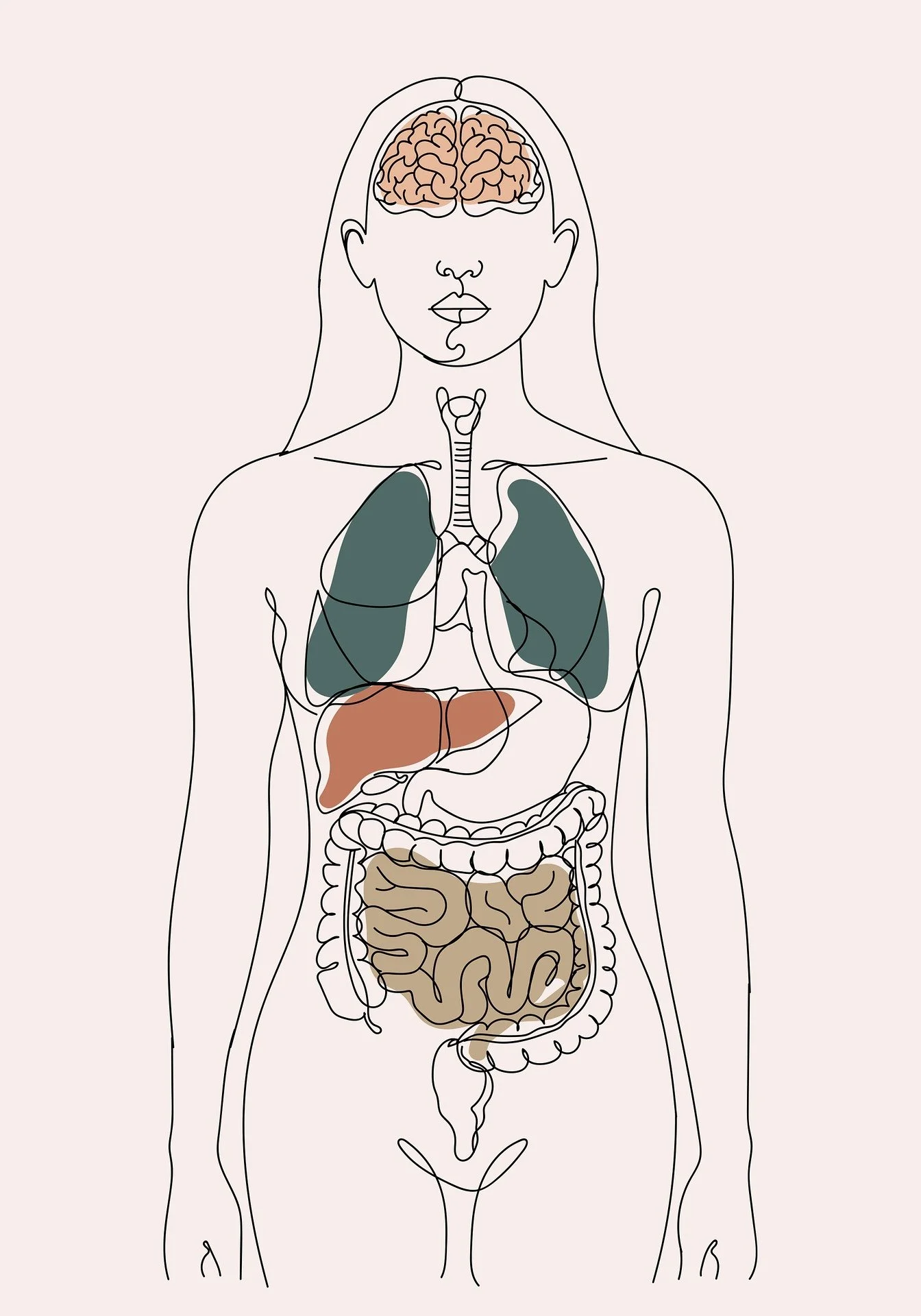
Common Root Causes of Chronic Constipation in Children
1. An Uncoordinated Nervous System
Most people don't realize that having a bowel movement is actually a highly coordinated neurological process.
The brain, spinal cord, vagus nerve, diaphragm, abdominal muscles, pelvic floor, and intestines all have to communicate with one another.
When the nervous system is stressed or underdeveloped, those messages may not flow efficiently. This is why I often see constipation alongside:
sensory processing challenges
anxiety
poor body awareness
retained primitive reflexes
developmental delays
ADHD-like symptoms
emotional dysregulation
These aren't random coincidences. They're often connected through the nervous system. One simple strategy I often use is diaphragmatic breathing, which can support relaxation, abdominal pressure management, and coordination during toileting. Our breath is directly correlated with our nervous system and is the quickest way to calm our bodies.
2. Sensory Processing Challenges
Some children don't ignore the urge to poop because they're being stubborn. They may not accurately feel the signals their body is sending. Others avoid using the bathroom because of sensory sensitivities:
the sound of flushing
sitting on the toilet
wiping
public bathrooms
fear of painful bowel movements
As an occupational therapist, these are things many of my patients struggled with, but often in conjunction with other areas.
3. Feeding Difficulties
Picky eating and constipation frequently occur together.
Children who eat a very limited variety of foods may not be getting enough nutrients, hydration, healthy fats, or overall dietary diversity to support healthy digestion. A very limited diet full of carbs can further impact constipation, because we need fats, fiber & hydration to digest & produce healthy bowel movements.
Sometimes the feeding challenge itself is rooted in oral motor skills, sensory processing, retained reflexes, or nervous system regulation—not simply just "being picky." In my private practice, I evaluate all of those things, assess the drivers, & guide the family to support the child accordingly.


4. Gut Health Imbalances
Our digestive tract is home to trillions of bacteria that directly influence digestion, nutrient absorption, inflammation, immunity, and brain function.
Sometimes constipation is associated with:
bacterial overgrowth
microbial imbalances
low digestive capacity
inflammation
food sensitivities
These aren't things you can identify simply by looking at a child, doing clean outs, or colonoscopies. When appropriate, I run functional lab testing to help uncover pieces of the puzzle and guide a truly personalized plan.
5. Lifestyle Factors
Children today are incredibly busy—but not always moving enough.
Things like:
prolonged sitting
mouth breathing
poor sleep
chronic stress
low physical activity
dehydration
can all influence digestion. Movement isn't just exercise. Movement helps stimulate the nervous system and encourages healthy bowel motility along with enough fiber and water.
Why I Look Beyond the Digestive System
One thing that makes my approach different is that I don't separate the gut from the rest of the body. In fact, I tie the gut to almost everything—because at least 80% of our immune system is in our gut. When a child comes to me with chronic constipation, I'm asking questions like:
How did they develop as an infant?
Were there feeding challenges?
Do they have retained primitive reflexes?
How does their nervous system regulate stress?
Are they sensory seeking or sensory avoidant?
How are they sleeping?
What foods do they eat—and avoid?
How does their movement quality look?
Could functional testing provide additional clues?
Could vagus nerve exercises help?
Because sometimes the bowel is simply reflecting what's happening elsewhere.
What Does Occupational Therapy Have to Do With Constipation?
Quite a bit, actually! Occupational therapists look at how the body functions during everyday life and we want to optimize it for improved quality of living. For constipation, that may include evaluating:
body awareness (interoception)
posture
pelvic positioning
core strength
breathing patterns
sensory processing
primitive reflexes
emotional regulation
feeding skills
toileting habits and routines
nervous system regulation
When these pieces improve, bowel habits often improve too.

When Functional Testing May Be Helpful
Not every child needs functional lab testing. But if constipation has persisted for months—or years—despite trying multiple interventions, additional information may be helpful. Depending on your child's history, this could include looking at:
gut microbiome balance
digestive function
inflammation
nutrient status
mineral balance
Testing doesn't replace a thorough in-person evaluation. It simply provides another layer of information that helps us personalize care. I recently tried a popular gut test you can order yourself, but to be honest, it didn’t give me great data. Feel free to email me about my favorite gut test!
When Constipation Needs Medical Attention
Persistent constipation should be discussed with your child's pediatrician. Red flags not to ignore include blood in stool, significant vomiting/abdominal distension, poor growth/weight loss, severe pain, fever, neurologic abnormalities, or constipation beginning in early infancy. Always keep your child's healthcare providers updated about ongoing symptoms, concerns, and changes you observe.
You Don't Have to Keep Guessing
If you've been told your child simply needs another laxative, more fiber, or to "wait until they grow out of it," yet your instincts tell you something else is going on, lean into that. My goal is not only to help children poop comfortably, it’s also to help families understand why their body isn't functioning optimally in the first place. Together, we build a personalized plan that supports the nervous system, gut, feeding skills, movement, and overall health.
Because constipation is rarely just about constipation.
Sometimes it's one of the body's earliest clues that something deeper deserves attention.
Ready to Look Beyond the Symptoms?
If your child has struggled with constipation for months—or even years—and no one has looked beyond managing the symptoms, I'd love to help.
Together, we'll explore the bigger picture to uncover what's contributing to your child's constipation and create a personalized plan that supports lasting progress.
Fill out a contact form today and let's start uncovering what may be contributing to your child's constipation.